
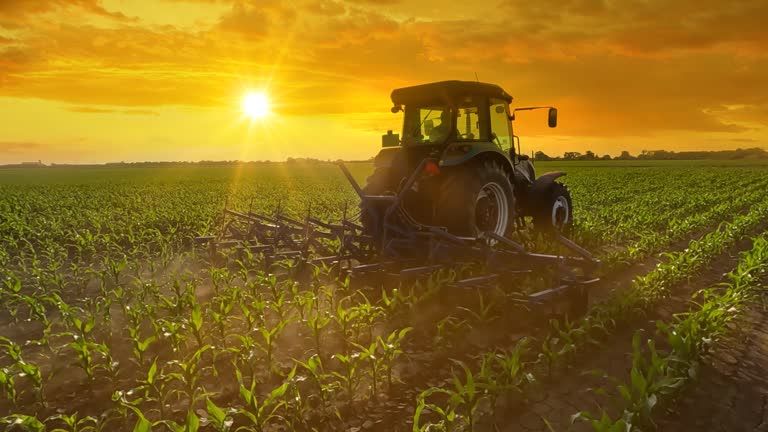
Benefits of Building a Website for Your Agribusiness or Farm
Establishing a professional web presence is no longer optional for modern farming enterprises, agtech startups and agricultural suppliers. A dedicated website bridges the traditional gap between farm operations and the digital marketplace, enabling agribusinesses to bypass intermediaries, showcase sustainable practices and capture higher profit margins.
Whether you are selling fresh produce, livestock, bulk grains, farm equipment or agtech consulting services, a website serves as a 24/7 digital storefront and communication hub.
1. Expanding Direct-to-Consumer (D2C) Market Reach
Traditional agricultural supply chains rely heavily on brokers, wholesalers, and retail distributors who consume significant portions of farm profit margins. A dedicated agribusiness website empowers producers to sell fresh produce, artisanal goods, and value-added agricultural products directly to consumers. Bypassing intermediary channels allows farm owners to capture full retail value while offering competitive pricing. Integrating e-commerce features onto your farm website opens up regional and national market opportunities beyond local road stands and physical farmers' markets.
2. Securing High-Value B2B Wholesaler and Restaurant Contracts
Commercial buyers such as restaurant chefs, grocery store procurement managers, food processors, and institutional buyers actively research supplier reliability online. A comprehensive agribusiness website showcases your full product catalog, seasonal availability schedules, organic certifications and bulk wholesale pricing structures. Providing downloadable product spec sheets and wholesale inquiry forms simplifies procurement for corporate clients. Establishing a professional online presence validates your operational scale and positions your agribusiness to win lucrative commercial supply contracts.
3. Highlighting Organic, Sustainable, and Ethical Farming Certifications
Today’s consumers and commercial buyers demand transparency regarding food origin, pesticide use, non-GMO status, and ethical animal welfare standards. A website provides dedicated space to highlight official certifications, including organic labels, GlobalG.A.P. standards, fair trade credentials and regenerative agriculture practices. Displaying verifiable badges and detailed farm history builds immediate consumer trust. Transparent documentation reassures buyers, justifying premium price points for eco-friendly and ethically raised agricultural products.
4. Monetizing Through Farm Subscriptions and CSA Management
Community Supported Agriculture (CSA) programs and recurring farm box subscriptions provide agribusinesses with predictable, upfront operational capital. Managing paper-based subscription sign-ups and cash payments creates severe administrative bottlenecks during busy planting and harvesting seasons. A customized agribusiness website automates online subscription sign-ups, recurring credit card billing, pickup location selections, and delivery scheduling. Automating subscriber management streamlines farm logistics, guarantees seasonal revenue streams, and reduces operational stress.
5. Capturing Qualified Agri-Leads with Search Engine Optimization
When regional buyers search online for bulk grain suppliers, organic produce distributors, or specialized irrigation equipment, a search engine optimized website ensures your business appears at the top of Google results. Optimizing web pages for local and industry-specific keywords drives steady streams of organic, high-intent buyer traffic directly to your inbox. Unlike temporary social media posts that disappear from feeds within hours, an SEO-optimized website continuously attracts potential clients without incurring ongoing advertising costs.
6. Providing Transparent Real-Time Commodity and Product Pricing
Fluctuating market prices and seasonal availability often create communication friction between agricultural sellers and wholesale buyers. A dynamic website allows agribusinesses to display real-time commodity pricing, seasonal availability charts, and live inventory levels. Updating product pricing and stock status on a centralized digital portal eliminates redundant phone calls and pricing misunderstandings. Transparent pricing management speeds up buyer decision-making and streamlines order fulfillment during peak harvest periods.
7. Showcasing Agribusiness Facilities, Land, and Technological Assets
Modern agricultural buyers look for suppliers equipped with cold storage infrastructure, automated sorting equipment and reliable cold-chain logistics. A website lets you feature high-resolution photo galleries, video tours and aerial drone footage of your farm acreage, processing facilities and greenhouses. Visualizing clean, state-of-the-art facilities reassures prospective buyers about your quality control standards. Demonstrating high-capacity storage and processing facilities builds buyer confidence in your ability to fulfill large commercial orders consistently.
8. Streamlining B2B Bulk Order Inquiries and Custom Quotations
Commercial agricultural sales often involve customized packaging, freight transportation arrangements, and tiered volume discounts that require formal quotes. Implementing custom quotation request forms on your website captures precise buyer specifications, including required tonnage, target delivery dates, and custom processing options. Automated email confirmations notify your sales team immediately when a quote request arrives, accelerating response times. Fast, structured quote workflows give your agribusiness a distinct competitive edge over slower, traditional farm competitors.
9. Building Brand Equity and Telling Your Authentic Farm Story
Generic agricultural commodities sold through middleman auctions rarely command premium prices or build long-term customer loyalty. A website serves as the heart of your digital brand, allowing you to tell your family farm's history, share your sustainable land stewardship philosophy, and showcase team members. Connecting consumers emotionally with the people and practices behind their food creates lasting brand equity. Strong brand differentiation elevates your agricultural products above generic market commodities.
10. Automating Farm Agritourism, Workshops, and Event Bookings
Many modern agribusinesses diversify income streams through agritourism offerings, such as farm tours, pick-your-own harvests, educational workshops, and seasonal farm-to-table dining events. Managing phone reservations and manual ticket sales for farm events quickly consumes valuable labor hours. An integrated website booking system accepts online payments, issues digital event tickets, and manages capacity limits automatically. Automating agritourism bookings turns your farm assets into lucrative, hassle-free revenue sources.
11. Educating Customers with Agricultural Content and Recipes
Consumer engagement thrives when agricultural brands provide educational value beyond basic product sales. Publishing farm blogs, seasonal storage guides, crop nutritional breakdowns, and farm-fresh recipes positions your business as an industry authority. Teaching customers how to properly prepare, preserve, or cook unique agricultural produce increases customer satisfaction and repeat purchase rates. Consistent content marketing also drives higher search engine rankings, bringing new organic visitors to your site daily.
12. Facilitating Export Expansion and International Buyer Connectivity
Expanding an agricultural business into international export markets requires establishing global credibility and accessibility. A multi-language agribusiness website enables international buyers, global distributors, and import agencies to examine your export standards, phytosanitary compliance, and shipping logistics. Featuring international currency converters and global contact channels makes doing business across borders simple. A global web presence opens up lucrative foreign market opportunities that traditional local networks cannot access.
13. Integrating Weather Alerts, Crop Updates, and Customer Portals
Providing exceptional customer service in agribusiness requires consistent communication regarding harvest schedules and delivery timelines. A digital portal allows buyers to log into custom accounts, view historical invoice data, track real-time freight shipments, and check farm updates. Sending automated notifications regarding seasonal crop availability keeps wholesale clients informed without manual phone calls. Streamlined customer portals improve long-term client retention and reduce daily administrative workload.
14. Gathering Customer Data for Targeted Seasonal Marketing Campaigns
Relying on foot traffic or third-party sales platforms prevents farm owners from capturing valuable customer contact information. A website enables you to collect buyer email addresses and phone numbers through newsletter sign-up incentives, free harvest guides, or checkout forms. Building an in-house database of engaged customers allows you to run targeted email and SMS campaigns during peak harvest seasons. Direct seasonal marketing drives rapid inventory turnover, preventing perishable crop waste and maximizing revenue.
15. Attracting Agri-Tech Investors, Partners and Industry Talent
Scaling a modern agribusiness often requires external capital investment, joint venture partnerships, or specialized agricultural talent. Investors and top-tier agtech professionals research an enterprise's online footprint before agreeing to meetings or career transitions. A professional website presenting your business model, sustainability milestones, financial growth, and corporate vision attracts serious business opportunities. Establishing a polished corporate image opens doors to bank financing, government grants, and strategic industry partnerships.
Recommended Reading & Industry Resources
To explore detailed strategies on digital marketing and web design for agricultural enterprises, check out these authoritative articles:
- Cademix's Benefits of Developing an Agriculture Website In-depth analysis of direct-to-consumer farm sales, market expansion and e-commerce.
- Pink Shadow Media's Digital Marketing for Agribusiness Key strategies for agricultural lead generation, SEO and brand growth.
- Farm Table's Digital Marketing of Agricultural Products Insights into overcoming rural connectivity challenges, social proof and consumer trends.
Frequently Asked Questions
Why does my farm or agribusiness need a website if I already sell through local brokers or markets?
Relying solely on traditional brokers leaves your business vulnerable to price fluctuations and middleman fees. A website allows you to diversify income by selling directly to high-margin B2B clients, restaurants and D2C consumers while building independent brand equity.
Can an agribusiness website accept online payments for bulk produce and subscription boxes?
Yes, modern agribusiness websites integrate secure payment gateways that process credit cards, mobile payments and bank transfers for one-time bulk orders or recurring CSA subscriptions.
How does a website help an agribusiness attract commercial B2B buyers like restaurants and supermarkets?
Commercial buyers use search engines to vet agricultural suppliers. A website displays your product spec sheets, organic certifications, cold-chain logistics capabilities and wholesale quote request forms, making procurement easy.
Is it difficult to update product availability on an agribusiness website as harvest seasons change?
Not at all. Modern content management systems feature user-friendly dashboards that allow farm owners to adjust inventory, product pricing, and seasonal availability charts in real time from a smartphone or tablet.
How much technical experience do I need to manage an agribusiness website?
With custom web development and proper initial setup, day-to-day site management requires minimal technical skill. Routine tasks like posting blog updates, adjusting pricing and viewing order inquiries can be handled easily without writing code.
Ready to elevate your farming operations, eliminate middleman fees and connect directly with high-value agricultural buyers? Contact Qolani Kreatives today to build a custom, high-converting website tailored for your agribusiness!

