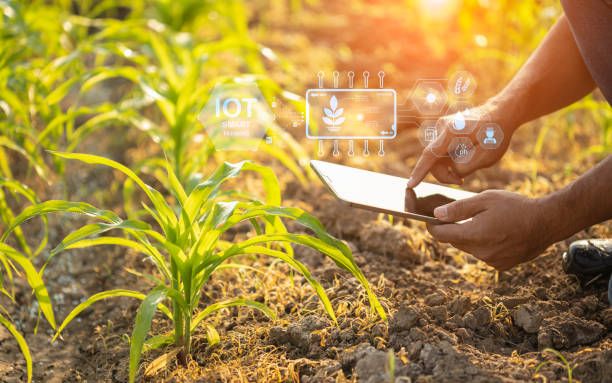
Can farmers use mobile apps to manage their farms?
Mobile applications have transformed farm management from a practice relying on manual logs into a streamlined, data-driven operation. By placing real-time field analytics, weather warnings and crop health diagnostics directly onto smartphones, farm management apps allow growers to monitor every acre from anywhere.
Whether coordinating heavy machinery, managing livestock health, or tracking input costs, mobile technology bridges field activities with cloud platforms to lower expenses and increase harvest yields. Below are fifteen core ways farmers utilize mobile apps to manage their farms efficiently.
Real-Time Satellite and Drone Field Mapping
Modern mobile apps connect directly to high-resolution satellite streams and unmanned aerial vehicle (UAV) imagery. Farm managers can construct interactive GPS boundary maps and review real-time Normalized Difference Vegetation Index (NDVI) heatmaps. Viewing crop vigor levels on a phone screen allows growers to spot localized crop stress, drainage bottlenecks, or nutrient deficiencies long before they become visible during manual field scouting.
Instant AI-Powered Disease and Pest Diagnosis
Diagnosing plant diseases quickly is critical to preventing field-wide crop loss. Farmers take photos of damaged leaves or stems using their smartphone cameras, and embedded artificial intelligence models analyze visual symptoms in seconds. Mobile apps identify specific fungal pathogens, insect infestations, or nutrient deficits and provide immediate chemical or organic treatment recommendations.
Hyper-Local Weather Tracking and Spraying Alerts
Broad regional weather forecasts often miss localized microclimatic shifts occurring on specific farm plots. Agriculture apps link to on-farm weather stations to deliver hyper-local temperature, wind speed, relative humidity, and precipitation alerts. Having 48-hour localized spraying windows pushed directly to mobile devices prevents chemical drift and stops rain from washing away fresh pesticide applications.
Remote Irrigation Scheduling and IoT Valve Control
Smart farming apps interface directly with soil moisture probes and automated irrigation valves placed across fields. Farmers review volumetric root-zone water levels on mobile dashboards and trigger drip irrigation valves or center pivots remotely. Automated moisture alerts ensure crops receive exact hydration volumes, conserving water and reducing pumping electricity costs.
Livestock Biometric Monitoring and Herd Record-Keeping
Mobile applications extend beyond crop production into precision livestock management. By connecting to smart ear tags and collar sensors, dairy and beef farmers track individual animal movement, rumination rates, body temperatures, and breeding cycles. Automated notifications flag early signs of illness or heat estrus, enabling early veterinary care and lowering herd mortality rates.
Machinery Telematics and GPS Fleet Management
Heavy tractors, combine harvesters, and sprayers function as mobile nodes linked to central farm management platforms. Mobile apps stream machine metrics such as engine RPM, fuel consumption rates, speed over ground, and operational hours directly to farm managers. Equipment operators receive real-time navigation guidance, while managers track fleet positions and schedule preventative maintenance before costly breakdowns occur.
Variable Rate Input Planning and Cost Optimization
Applying fertilizers, seeds, and crop protection products at uniform rates across variable soil leads to chemical waste and environmental runoff. Mobile farm management apps generate variable-rate application (VRA) maps based on soil test results and yield histories. Farm hands upload these digital prescription maps directly into smart tractor applicators, reducing input expenditures while protecting local watersheds.
Digital Labor Scheduling and Field Task Tracking
Managing seasonal farm workers across multiple field blocks requires organized task delegation. Farm managers assign specific tasks such as weeding, harvesting, or fence repair to field hands directly through mobile management portals. Workers mark tasks complete, upload geo-tagged photo proof, and log total hours on their mobile devices, simplifying payroll processing and labor accountability.
Real-Time Commodity Market Price Alerts
Price volatility in commodity markets can drastically impact farm profitability. Agricultural apps aggregate live wholesale market prices across regional and national trading boards, sending push notifications when commodity prices peak. Access to transparent market intelligence empowers farmers to time crop sales strategically rather than accepting low prices from local brokers.
Post-Harvest Silo and Cold Storage Monitoring
Preserving crop quality post-harvest is essential to preventing storage mold, moisture spoilage, and insect damage. Mobile apps pair with wireless sensor cables suspended inside grain silos or cold storage rooms to track ambient temperature, carbon dioxide levels, and relative humidity. If storage conditions fluctuate beyond safe limits, instant mobile alerts prompt operators to activate ventilation fans remotely.
Offline Data Logging with Automatic Cloud Syncing
Cellular connectivity can be unreliable across remote rural farm fields. Modern farm management applications feature robust offline data logging capabilities, allowing workers to record field observations, input logs, and machinery fuel usage without an internet connection. Once the smartphone reconnects to a Wi-Fi network or cellular coverage, all field logs sync automatically to the central cloud platform.
Digital Financial Accounting and Input Expense Tracking
Replacing paper notebooks with mobile digital ledgers ensures farm financial records stay accurate and up-to-date. Farmers log seed purchases, fuel expenses, equipment repairs, and chemical bills directly on their mobile phones by taking photos of paper receipts. Mobile expense tracking calculates exact production costs per acre, helping managers analyze seasonal profit margins per crop variety.
Regulatory Compliance and Farm Audit Logging
Global food safety regulations and organic certification bodies require detailed record-keeping regarding chemical applications, water source tests, and harvest dates. Mobile farm management platforms archive field operations into compliance audit logs automatically. Farmers export verifiable compliance reports with a single tap during agricultural inspections, saving days of manual administrative work.
B2B Pre-Orders and Direct Produce Sales Channels
Connecting farm yields directly to wholesale buyers, restaurants, and retail consumers eliminates unnecessary intermediary fees. Mobile e-commerce apps allow farmers to list upcoming harvest quantities, receive advance pre-orders, and process digital payments securely. Direct-to-market mobile platforms help agribusinesses lock in guaranteed buyers before crops are harvested.
Predictive AI Crop Yield Forecasting
Combining multi-season field logs, weather trends, and satellite imagery into machine learning algorithms gives farm managers accurate yield projections weeks before harvest. Mobile apps present visual yield forecast models directly on smartphones. Reliable crop yield projections empower farmers to negotiate forward-sales contracts, arrange storage logistics, and secure commercial lines of credit with financial institutions.
Recommended Reading & Industry Resources
To explore detailed software reviews, technical guides, and case studies on agricultural mobile apps, check out these authoritative industry articles:
- AGRIVI's Top Mobile Apps for Modern Agriculture Comprehensive overview of essential precision farming apps, machinery guidance tools, and herd management software.
- Growing Produce's Best Mobile Apps for Agriculture In-depth breakdown of AI field assistants, satellite crop analytics, and mobile farm management tools.
- ShivLab's Mobile App Features That Simplify Farming Technical analysis of IoT integration, offline data synchronization, and crop diagnostic features in farmer apps.
Frequently Asked Questions
Can farm management apps work in remote rural fields without cellular coverage?
Yes; modern agricultural apps include offline functionality that allows farmers to map fields, record input logs, and save scouting notes without internet access, automatically syncing data to the cloud once connectivity returns.
How do AI crop diagnostic apps identify plant diseases from a smartphone photo?
AI crop apps use computer vision algorithms trained on thousands of plant pathology images to detect pest damage, fungal infections, and nutrient deficiencies from a photo and suggest immediate treatments.
Are mobile farming apps difficult for non-technical field workers to operate?
No; farm management apps prioritize simple visual interfaces, voice-guided commands, multi-language support, and simple icon navigation so workers can record field activities without technical training.
Can mobile apps integrate with older farm machinery and existing equipment?
Yes; aftermarket Bluetooth diagnostic sensors, GPS receivers, and relay controllers retrofitted onto older tractors and pumps link legacy machinery directly to modern mobile apps.
How long does it take for a commercial farm to see a return on investment (ROI) from mobile farm apps?
Most farming operations achieve positive ROI within a single growing season by reducing seed and fertilizer waste, avoiding equipment downtime, and saving labor hours on manual record-keeping.
Ready to digitize your agricultural operations, build custom mobile apps for field workers, or launch an AgTech portal tailored to your brand?