
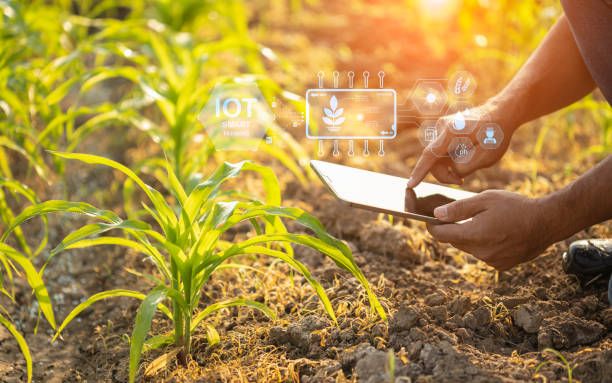
Can Technology Help in Selling Farm Produce Online?
The rapid evolution of digital agriculture has opened unprecedented opportunities for smallholder farmers, commercial growers and agricultural cooperatives to expand their market reach. Historically, selling farm produce meant relying on physical local markets, opaque pricing structures, and aggressive brokers who eroded profit margins.
Today, technology bridges the gap between field harvests and consumer dinner tables, enabling agribusinesses to list crops, negotiate fair pricing, and coordinate logistics digitally. By leveraging specialized software tools, mobile applications, and online platforms, farm operators can transition from passive market price-takers to empowered direct-to-consumer digital vendors. Here are fifteen actionable ways technology enables agribusinesses to sell farm produce online successfully.
Eliminating Middlemen and Expanding Profit Margins
Traditional agricultural supply chains often force farmers through multiple intermediary agents, each extracting a cut of the final retail price. Digital e-commerce platforms and online farm marketplaces connect growers directly with restaurants, grocery outlets, and individual households. Eliminating unnecessary brokers allows farmers to set fair, competitive prices that capture higher profit margins on every harvest.
Accessing Direct-to-Consumer (D2C) E-Commerce Web Platforms
Building a dedicated, mobile-friendly e-commerce website provides agribusinesses with complete ownership over their digital sales channels. Custom web storefronts allow farms to showcase certified organic produce, outline farming practices, and process credit card or mobile money payments securely. D2C platforms build brand loyalty and create recurring digital revenue streams via weekly subscription box models.
Joining Specialized Digital Agricultural Marketplaces
Online multi-vendor agricultural portals aggregate local and regional farmers onto unified digital platforms. Participating in established AgTech marketplaces gives smaller farms instant access to thousands of active buyers searching for fresh produce. Digital marketplaces handle backend search visibility, user verification, and payment processing, lowering the barrier to digital entry.
Securing Fair, Transparent Pricing through Real-Time Market Intelligence
Information asymmetry has long kept rural farmers at a disadvantage when negotiating crop prices with wholesale buyers. Mobile AgTech apps and SMS price alerts deliver real-time wholesale commodity benchmarks directly to farmers' mobile phones. Access to transparent market data prevents exploitation and allows growers to time online crop listings when market demand peaks.
Managing Bulk Pre-Orders and Harvesting on Demand
Harvesting perishable crops before securing a firm buyer often leads to severe post-harvest spoilage and financial loss. Online ordering portals enable farmers to post upcoming harvest schedules and collect advance pre-orders from institutional buyers. Pre-order technology aligns crop harvesting directly with confirmed digital demand, reducing field waste and optimizing inventory logistics.
Streamlining Mobile Money and Digital Payment Integration
Cash-only transactions limit sales opportunities and introduce security risks in agricultural commerce. Modern digital storefronts incorporate frictionless mobile payment options such as M-Pesa, digital wallets, and instant bank transfers directly into online checkout flows. Secure digital payments guarantee immediate fund settlement, improve accounting accuracy, and provide verifiable digital financial records.
Leveraging Social Commerce and Messaging Channels
Platforms like Instagram, Facebook Shops, and WhatsApp Business have transformed into powerful direct sales engines for local produce. Farmers can share daily field updates, broadcast fresh harvest availability, and process orders directly through messaging chats. Social commerce builds personal connections with buyers, turning casual followers into loyal recurring customers.
Enhancing Traceability via QR Codes and Blockchain
Modern, health-conscious consumers demand complete transparency regarding where and how their food was grown. Affixing dynamic QR codes to online produce packaging links buyers directly to digital farm profile pages, harvest timestamps, and organic certification badges. Transparent supply chain data builds deep consumer trust, justifying premium prices for verified farm-fresh produce.
Integrating Cold Chain Logistics and On-Demand Delivery
Delivering delicate produce requires strict temperature management and rapid transport fulfillment. Agricultural e-commerce systems integrate via APIs with specialized third-party logistics (3PL) platforms and courier apps. Automated logistics integration dispatches refrigerated delivery vehicles immediately upon checkout, guaranteeing farm-fresh quality upon arrival.
Utilizing Targeted Digital Advertising for Regional Sales
Geotargeted social media and search engine advertising allow agribusinesses to reach specific neighborhood demographics cost-effectively. Running localized digital campaigns introduces nearby restaurants, hotels, and residential estates to your farm's online catalog. Precision ad targeting drives high-intent traffic to your web store while optimizing overall promotional spend.
Automating Bulk B2B Quotations and Contract Inquiries
Handling commercial inquiries from institutional buyers requires formal business documentation, custom wholesale quotes, and flexible delivery schedules. Enterprise farm websites incorporate automated inquiry forms and bulk pricing calculators that generate instant estimates for wholesale accounts. Streamlining B2B quotation workflows shortens sales cycles and helps farms lock in lucrative corporate accounts.
Unlocking Institutional Credit through Verified Sales Records
Traditional lenders often hesitate to extend credit to agricultural enterprises due to a lack of documented transaction histories. Operating an online storefront generates transparent, verifiable digital sales ledgers that track monthly revenue and order consistency. Financial institutions analyze these digital sales records to approve commercial lines of credit, funding capital expenditures and farm expansions.
Managing Inventory across Multiple Sales Channels
Selling produce through local markets, roadside farm stands, and online storefronts simultaneously can lead to inventory stockouts. Modern AgTech inventory management software synchronizes stock levels across all physical and online sales channels in real time. Automated inventory sync prevents double-selling perishable stock and maintains smooth fulfillment operations.
Building Customer Loyalty through Automated CRM Marketing
Customer Relationship Management (CRM) tools tailored for agribusiness allow farmers to capture buyer emails and phone numbers automatically. Sending automated email newsletters, seasonal crop alerts, and discount codes encourages repeat orders from existing clients. Automated CRM marketing turns one-time online buyers into long-term subscribers, stabilizing seasonal farm revenue.
Analyzing Buyer Preference Data for Smarter Planting
E-commerce analytics tools reveal precisely which crops generate the highest search demand, top profit margins, and fastest sell-out rates. Analyzing digital sales trends empowers farmers to adjust upcoming seasonal planting schedules to match verified market demand. Data-driven crop selection minimizes market oversupply risks and ensures every harvested acre yields maximum financial returns.
Recommended Reading & Strategic Industry Resources
To explore detailed case studies, platform setup guides, and technical research on selling agricultural produce online, review these authoritative industry resources:
- Mkulima Online's Guide to Selling Agricultural Products Online Practical strategies on navigating online farm marketplaces, eliminating middlemen, and expanding buyer reach.
- FarmX's Digital Agricultural Marketplace Infrastructure Technical overview of direct farmer-to-buyer sales networks, logistics tracking, and wholesale produce management.
- KilimoMart's EAC Regional Agricultural Trade Platform Strategic analysis of mobile application adoption and direct digital market access for smallholder producers.
Frequently Asked Questions
How do I handle the delivery of fresh, highly perishable produce when selling online?
Agribusinesses partner with on-demand local courier services or specialized cold-chain logistics providers that use temperature-controlled vehicles to fulfill orders within hours of harvest.
Is it expensive for a smallholder farm to start selling produce online?
No; farmers can begin listing produce for free on established social media channels and specialized AgTech marketplaces before scaling up to a custom e-commerce platform.
How do online farm platforms handle payments and protect against non-payment?
Digital farm platforms utilize secure payment gateways that process mobile money, bank transfers, or credit cards in advance, holding funds in escrow until delivery is confirmed.
Can technology help me sell produce in bulk to wholesale commercial buyers?
Yes; digital platforms feature dedicated B2B wholesale portals, bulk pre-ordering systems, and quotation calculators designed specifically for institutional procurement officers.
What happens if I run out of produce stock while orders are coming in online?
Integrated AgTech inventory software tracks field stock in real time, automatically marking items as "out of stock" or shifting them to pre-order status for the next harvest cycle.
Ready to digitize your farm operations, connect directly with wholesale buyers, and build a high-converting online storefront tailored to your agricultural brand?

