
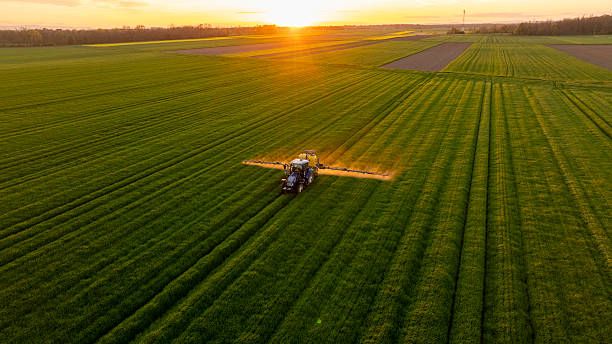
How can farm management software help farmers?
Modern agricultural operations require managing complex variables from fluctuating market prices and unpredictable weather patterns to labor scheduling and precision input tracking. Relying on traditional paper ledgers or fragmented spreadsheets creates operational bottlenecks and increases risk.
Specialized farm management software (FMS) acts as a digital nervous system for agricultural enterprises, aggregating real-time field telemetry, financial reporting, and operational logistics into unified management dashboards. Adopting digital farm management technology transforms daily field tasks, streamlines supply chain workflows, and delivers sustainable financial growth. Here are fifteen key ways farm management software empowers agricultural producers.
1. Centralized Real-Time Data and Operational Visibility
Managing multi-site acreage or dispersed livestock herds without a unified software platform leads to delayed decision-making and scattered operational records. Modern farm management software aggregates field logs, soil telemetry, machinery metrics, and financial transactions into a single cloud dashboard accessible on desktop or mobile. Real-time visibility allows farm managers to track active field tasks, inspect soil moisture levels, and review input applications instantaneously from any location. Centralizing operational records eliminates manual communication gaps and ensures management decisions rely on accurate data.
2. Precision Field Scouting and Early Agronomic Interventions
Manual field scouting across expansive acreage often misses localized pest infestations, nutrient deficiencies, or fungal outbreaks until significant crop damage occurs. Farm management software integrates satellite imagery, normalized difference vegetation index (NDVI) mapping, and drone survey feeds to detect crop stress indicators early. Digital scouting tools enable field technicians to pin exact GPS locations, attach photo evidence, and trigger automated treatment workflows directly from mobile applications. Catching crop health issues early reduces chemical remediation costs and protects target yield expectations.
3. Automated Inventory Management and Input Cost Control
Overstocking expensive fertilizers, seeds, and agrochemicals ties up vital working capital, while unexpected stockouts stall field applications during critical growth windows. Farm management software automates inventory tracking across multiple farm stores using real-time stock deductions linked directly to field application logs. Automated low-stock alerts notify managers to reorder inputs before stock levels reach critical thresholds. Maintaining precise control over inventory valuations and usage metrics eliminates input waste and reduces overall operational overhead.
4. Optimized Irrigation Scheduling and Water Conservation
Water scarcity and rising utility costs require precise water management strategies across commercial crop production. Farm management platforms connect directly with field moisture sensors, weather stations, and automated irrigation valves to deliver precise crop water requirements. Software algorithms evaluate evapotranspiration rates and upcoming weather forecasts to build dynamic irrigation schedules. Automating irrigation based on soil data reduces electricity and water consumption while maintaining optimal soil moisture for root development.
5. Streamlined Equipment Maintenance and Fleet Tracking
Unexpected tractor breakdowns during planting or harvesting seasons lead to severe crop delays and expensive emergency repairs. Farm management software tracks telematics, operating hours, fuel consumption, and maintenance logs across all machinery assets. The platform issues automated preventative maintenance reminders based on engine run-time or distance traveled, ensuring equipment receives timely servicing. Proactive fleet management extends machinery lifespan, lowers fuel expenses, and prevents costly operational downtime.
6. Accurate Financial Accounting and Profitability Analysis
Traditional accounting tools often fail to calculate profitability down to individual crop varieties, field blocks, or livestock batches. Farm management software includes specialized agricultural accounting modules that track direct labor, seed inputs, fuel, and chemical costs per acre. Comparing real-time input expenses against harvest yield revenues helps producers identify high-margin crops and unprofitable fields. Detailed cost accounting gives farmers the financial clarity required to optimize seasonal crop planning.
7. Enhanced Labor Coordination and Workforce Accountability
Managing large field crews across multiple locations without clear task assignment leads to redundant work and unverified labor hours. Farm management software provides digital job cards and task scheduling modules that push work assignments directly to workers' smartphones. Field supervisors can track task completion, log GPS-verified attendance, and capture job proof photos in real time. Streamlining workforce coordination improves labor efficiency, ensures fair compensation, and reduces administrative overhead.
8. Full Traceability and Audit-Ready Compliance Reporting
Global food safety regulations and commercial buyers demand complete transparency regarding farm origin, chemical application records, and harvest timelines. Farm management platforms automatically build verifiable digital audit trails by tagging input usage, lot numbers, harvest dates, and handler details. When regulatory audits or buyer inspections occur, producers can export compliant, geo-tagged documentation in minutes rather than sifting through paper records. Detailed traceability opens access to premium buyer channels and simplifies GlobalG.A.P. compliance certification.
9. Precision Livestock Tracking and Health Management
Managing cattle herds, poultry, or swine operations manually makes tracking individual animal performance, health treatments, and breeding cycles challenging. Livestock-focused farm management modules track individual animal IDs, medical histories, vaccination schedules, and weight gain metrics. Automated alerts notify managers of upcoming breeding dates, gestation periods, or drug withdrawal windows before livestock sale. Maintaining digital livestock health records improves herd genetic quality, lowers mortality rates, and ensures full meat and dairy safety compliance.
10. Weather Integration and Predictive Yield Modeling
Sudden frost, heavy rain, or prolonged drought conditions severely impact harvest quality and overall market yield. Farm management software incorporates hyperlocal weather forecasting tools and historical climate data to predict environmental risks. Machine learning models combine soil moisture, crop stage data, and weather patterns to forecast harvest timelines and expected yield quantities accurately. Predictive insights allow farmers to adjust harvesting schedules proactively, mitigating climate-related yield losses.
11. Mobile Access for In-Field Operations
Farm management rarely occurs at an office desk; managers and field hands need real-time data input directly from fields, pastures, or packhouses. Native mobile app extensions allow farm personnel to record input applications, log livestock births, and update inventory offline in remote areas. Once mobile devices regain cellular connectivity, field records sync automatically across the entire central database. Mobile data capture eliminates duplicate data entry and ensures records remain updated continuously.
12. Smart Yield Optimization and Harvest Logistics
Coordinating harvest machinery, transport trucks, storage facilities, and packhouse operations requires precise timing to preserve produce quality. Farm management software schedules harvest workflows, logs batch weights, and tracks storage bin capacities in real time. Tracking crop quality grades and batch origins during harvest ensures efficient storage allocation and reduces post-harvest spoilage. Streamlined harvest logistics minimize transport bottlenecks, protecting crop value from field to buyer.
13. Contract Farming and Outgrower Network Coordination
Agribusinesses operating contract farming schemes or managing outgrower networks struggle to enforce standardized farming practices across independent growers. Farm management platforms provide dedicated grower portals that distribute standardized planting guides, schedule input deliveries, and collect field logs from external farms. Agronomists can monitor remote grower activities, evaluate performance metrics, and deliver targeted technical support. Centralized outgrower management ensures consistent crop quality and simplifies supply chain planning for agricultural processors.
14. Sustainable Resource Management and Carbon Tracking
Consumers, corporate buyers, and regulatory bodies increasingly prioritize environmentally sustainable agricultural production. Farm management software measures resource consumption, tracking greenhouse gas emission estimates, fuel usage, and fertilizer application density per hectare. Quantifying sustainable farming practices allows enterprises to participate in carbon credit markets and secure sustainability-linked financing. Tracking environmental metrics demonstrates genuine land stewardship, opening doors to premium eco-conscious markets.
15. Strategic Long-Term Planning and Data-Driven Scalability
Scaling an agricultural enterprise requires evaluating multi-year crop performance trends, historical cost structures, and soil productivity profiles. Farm management software archives seasonal historical data, generating comparative reports across crop varieties, field blocks, and management strategies. Analyzing multi-season analytics helps farm owners make data-backed investments in land expansion, specialized machinery, or new crop varieties. Data-driven planning transforms traditional farming operations into resilient, highly scalable commercial enterprises.
Recommended Reading & Industry Resources
To explore industry perspectives on digital agriculture platforms and farm management systems, read these authoritative resources:
- Farmbrite's Farm Management Software Overview Key features, mobile field tracking, and livestock data centralization.
- FarmERP's Key Benefits of Digital Farming Systems Insights into traceability, agriculture ERP integration, and yield optimization.
- KhetiBuddy's Farm Management Transformation Guide Detailed strategies for cost reduction, compliance, and smart resource allocation.
Frequently Asked Questions
Is farm management software suitable for small-scale farms, or only large commercial enterprises?
Farm management software scales across operations of all sizes. Small farms benefit significantly from automated expense tracking, livestock recordkeeping, and mobile task management, which reduce administrative overhead and improve farm profitability.
Can farm management software operate without an active internet connection in remote fields?
Yes, most modern farm management mobile apps feature offline data capture capabilities. Field staff can log tasks, input applications, and scouting notes without connectivity, and the app automatically synchronizes data once connected to Wi-Fi or cellular networks.
How does farm management software help reduce input costs?
The software tracks inventory levels, precise field application rates, and machinery fuel usage in real time. Preventing over-application of chemicals, optimizing irrigation, and eliminating inventory loss directly lowers overall operational expenses.
Does farm management software integrate with existing IoT sensors and machinery?
Yes, advanced farm software integrates via APIs with IoT weather stations, soil moisture sensors, GPS equipment telematics and smart irrigation controllers. Centralizing sensor data into a single platform automates field monitoring and reduces manual record entry.
How long does it take to implement farm management software across a farm operation?
Basic field and inventory setup can be completed within a few days. Full implementation including historical data entry, employee mobile training and sensor integrations typically takes two to four weeks depending on operational scale.
Ready to digitize your farm operations, reduce input expenses, and maximize seasonal yields with custom software solutions? Contact Qolani Kreatives today to build or integrate custom farm management software tailored to your enterprise!

