
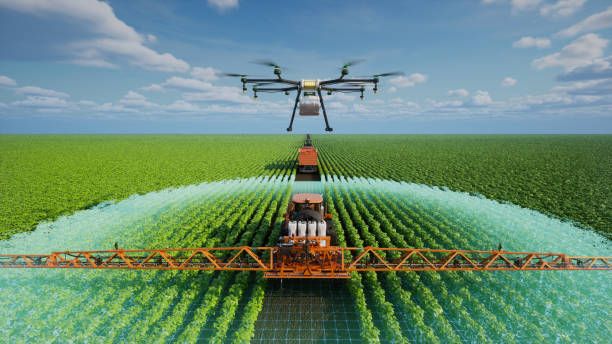
How can weather data help farmers make better decisions?
The agricultural industry has always operated at the mercy of unpredictable atmospheric conditions, but relying on traditional intuition or broad regional news reports is no longer sufficient. Modern agricultural enterprises leverage hyperlocal weather telemetry, satellite monitoring, and predictive climate analytics to transform weather risk into a strategic advantage.
By integrating real-time weather data into daily management workflows, growers replace costly guesswork with precision execution across every stage of the production cycle.
1. Determining Precise Sowing and Seeding Windows
Planting crops too early in cold, waterlogged soil leads to poor seed germination, seed rot, and costly field replanting. Weather data tracking soil temperature and moisture levels enables growers to identify the exact agronomic window for planting. Accessing historical temperature baselines and short-term rainfall forecasts ensures seeds enter the ground under optimal soil thermal conditions. Timing sowing operations accurately establishes strong root systems early and maximizes the length of the growing season.
2. Optimizing Precision Irrigation and Water Conservation
Indiscriminate irrigation wastes expensive water and pumping energy while risking root suffocation and soil nutrient leaching. By analyzing precipitation forecasts alongside real-time soil evapotranspiration (ET) rates, farmers can delay or adjust irrigation cycles dynamically. Smart irrigation scheduling delivers precise water volumes directly when crop stress signals emerge. Optimizing water application lowers utility expenses, protects valuable groundwater resources, and maintains ideal root zone hydration.
3. Improving Chemical Spray Efficacy and Eliminating Drift Waste
Applying crop protection products during high winds leads to off-target spray drift that damages neighboring fields and wastes expensive agrochemicals. Hyperlocal weather monitoring measures wind speed and direction at boom height before spraying equipment enters the field. Real-time humidity and ambient temperature tracking also ensure chemical droplets do not evaporate prematurely or cause crop leaf scorch. Timing chemical applications during low-wind, optimal humidity windows guarantees target pest coverage and protects farm profit margins.
4. Predicting Pest Outbreaks and Spore Development Cycles
Pests and fungal diseases thrive under specific microclimatic conditions, such as high relative humidity paired with sustained leaf wetness. Weather analytics platforms utilize predictive algorithms to alert growers when environmental conditions favor disease outbreaks like blight or rust. Receiving early warnings allows farmers to execute targeted, preventative treatments before widespread crop damage occurs. Proactive pest control minimizes overall chemical usage, lowers input costs, and preserves crop quality.
5. Preventing Soil Nutrient Leaching and Fertilizer Runoff
Applying top-dress synthetic fertilizers right before an unpredicted heavy downpour results in valuable nutrients washing off into local waterways. Integrated precipitation forecasts warn farmers to hold fertilizer applications until heavy storm fronts pass. Applying nutrients when soil moisture levels are receptive ensures maximum root absorption and prevents environmental pollution. Protecting fertilizer inputs from runoff reduces input overhead and maintains long-term soil health.
6. Mitigating Frost Damage with Early Thermal Warnings
Unseasonal late-spring or early-autumn frost events can destroy delicate blossoms, fruit buds, and young crop canopies overnight. Microclimate temperature alerts notify growers hours before air temperatures drop below critical freezing thresholds. Early warnings give farmers adequate lead time to activate wind machines, start frost irrigation misters, or cover high-value horticultural crops. Mitigating freeze damage protects seasonal crop yields and prevents catastrophic financial losses.
7. Tracking Growing Degree Days (GDD) for Growth Stage Modeling
Relying strictly on calendar days to predict crop maturity leads to inaccurate harvest timing and poor labor coordination. Weather platforms calculate cumulative Growing Degree Days (GDD) using daily minimum and maximum field temperatures. Tracking thermal heat unit accumulation reveals the exact developmental stage of crops and insect life cycles. Modeling crop growth accurately helps farmers schedule field operations, scout pests, and project harvest timelines with precision.
8. Safeguarding Heavy Machinery from Soil Compaction
Driving heavy tractors and harvesters onto wet, saturated soil causes severe subsoil compaction and risks getting machinery stuck in the mud. Rain gauge tracking combined with soil moisture analytics determines whether field conditions can support heavy equipment loads. Delaying field tillage or harvesting until soil drainage reaches safe levels protects soil structure and prevents equipment damage. Preserving soil structure maintains water infiltration capacity and supports long-term field productivity.
9. Planning Efficient Harvest Schedules to Lower Drying Costs
Harvesting grain or forage crops when humidity and plant moisture levels are elevated leads to post-harvest rot and high mechanical drying bills. Relative humidity tracking and solar irradiance forecasts highlight dry weather stretches ideal for harvest. Bringing crops in at optimal moisture content minimizes energy spent on grain dryers and prevents mold growth inside storage silos. Coordinating harvest timing with dry weather preserves crop quality and maximizes market price valuation.
10. Protecting Livestock from Thermal Heat and Cold Stress
Extreme ambient temperatures combined with high humidity create severe thermal stress in cattle, swine, and poultry, reducing milk production and daily weight gain. Real-time weather data calculates Livestock Weather Safety Indices to signal heat stress conditions early. Automated alerts prompt livestock managers to activate shade structures, ventilation fans, and cooling misters proactively. Protecting herd comfort prevents thermal mortality, maintains feed efficiency, and stabilizes livestock revenue.
11. Optimizing Solar and Wind Renewable Energy Operations
Modern agricultural operations increasingly rely on on-farm solar panels and wind turbines to power irrigation pumps and processing facilities. Weather monitoring tracks solar radiation and wind velocity trends across different times of the day. Accessing renewable energy analytics allows farm managers to schedule energy-intensive operations—such as cold-storage cooling or water pumping during peak power generation windows. Aligning farm energy usage with natural generation cycles lowers utility bills and promotes sustainable land stewardship.
12. Streamlining Labor Coordination and Fieldwork Safety
Coordinating large field crews during volatile weather conditions leads to wasted labor hours, dangerous travel, and idle downtime. Field supervisors use mobile weather applications to assign tasks according to localized rain and temperature forecasts. Shifting manual tasks to indoor packhouses during rainstorms or scheduling heavy labor during cooler morning hours protects worker welfare. Efficient labor scheduling keeps field crews safe, lowers labor overhead, and maintains high operational productivity.
13. Securing Better Crop Insurance Policies and Claims Verification
Unpredictable weather disasters like hail, flash floods, or severe windstorms can devastate farm infrastructure and standing crops. On-farm weather stations create immutable, geo-tagged historical records of weather events occurring directly on the property. Providing verified, localized meteorological records simplifies claims processing with crop insurance underwriters following extreme climate losses. Transparent weather historical data also helps producers qualify for lower parametric insurance premiums.
14. Managing Grain and Perishable Storage Environmental Control
Post-harvest crop storage requires careful climate management to prevent spoilage, insect activity, and commercial downgrading. External ambient weather conditions dictate when storage operators should run aeration fans inside silos and packhouses. Pumping cool, dry ambient air through grain storage bins stabilizes temperature and moisture levels naturally. Smart climate monitoring preserves post-harvest crop quality, allowing farmers to hold inventory safely until market prices rise.
15. Supporting Strategic Long-Term Farm and Enterprise Planning
Erratic global climate shifts require long-term agricultural resilience rather than single-season tactical adjustments. Analyzing historical multi-year weather trends allows farm owners to select resilient crop varieties suited to shifting seasonal baselines. Data-backed climate analytics guide strategic decisions regarding land purchases, drainage infrastructure, and irrigation equipment investments. Long-term climate planning secures agribusiness sustainability and ensures financial growth across generations.
Recommended Reading & Industry Resources
To explore detailed strategies and expert guides on weather technology in modern agriculture, review these authoritative blog posts:
- Visual Crossing's Guide to Agricultural Weather Data Insights on integrating historical baselines and real-time APIs for planting and irrigation decisions.
- Cordulus's Precision Agriculture Weather Monitoring In-depth analysis of on-farm weather stations, spray timing, and microclimate forecasting.
- KhetiBuddy's Crop Management Weather Guide Key strategies for mitigating climate risk, optimizing inputs, and improving crop yield resilience.
Frequently Asked Questions
Why should a farmer rely on an on-farm weather station instead of free public weather apps?
Public weather apps rely on regional meteorological stations often located miles away, missing localized microclimates, rain totals, and field-level wind speeds. On-farm weather stations collect precise, field-level data at boom height to inform critical decisions like chemical spraying and irrigation.
How does weather data help lower total farm input expenses?
Weather data prevents input waste by informing farmers when not to apply expensive fertilizers or chemicals. Avoiding spraying before rainstorms or high winds ensures every dollar spent on inputs directly benefits crop development.
Can weather data platforms integrate with existing farm management software?
Yes, modern weather data feeds integrate seamlessly via APIs into farm management platforms, smart irrigation controllers, and machinery telematics. Centralizing weather data automates task alerts and optimizes field schedules.
How far in advance can agricultural weather forecasts remain reliable for planning?
Short-term forecasts (1 to 3 days) provide high accuracy for tactical operations like spraying and harvesting. Medium and seasonal forecasts offer probabilistic guidance for crop variety selection, seasonal irrigation budgeting, and risk management.
How do Growing Degree Days (GDD) assist in harvest planning?
Growing Degree Days measure cumulative thermal heat units absorbed by crops over time. Tracking GDD helps farmers predict exact crop maturity dates and pest development stages better than calendar tracking.
Ready to integrate real-time weather analytics, custom IoT dashboards and precision AgTech tools into your farming operations? Contact Qolani Kreatives today to partner with our expert software engineering team for custom agricultural web and mobile solutions!

