
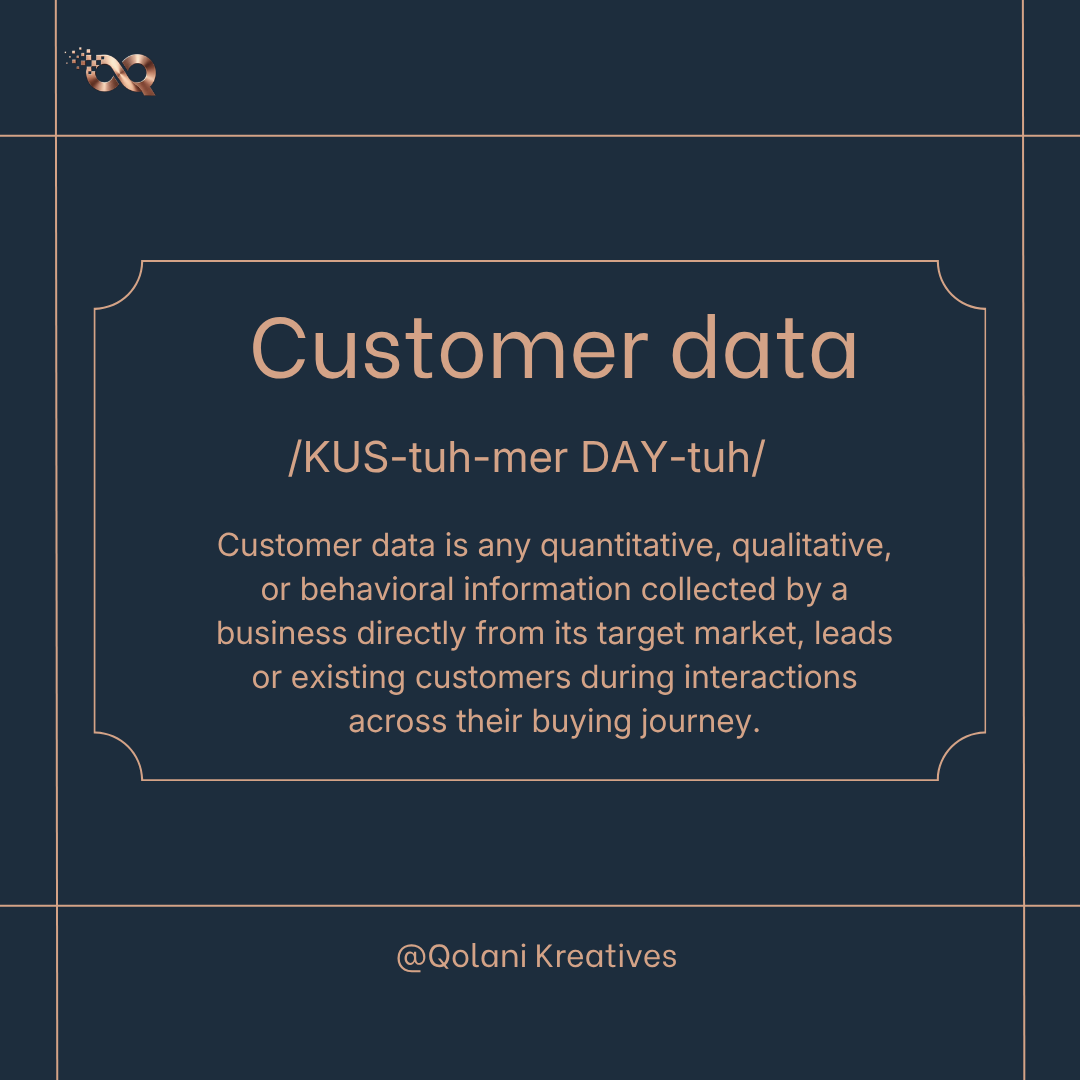
Reasons why your online business needs proper customer data
Operating an online business without organized customer data is like driving in the dark without headlights. When customer details are scattered across phone contact lists, paper notebooks or unlinked messaging apps, your business misses critical growth opportunities and risks making expensive marketing mistakes.
Building a centralized database transforms raw buyer information into actionable business insights. Proper data management allows you to understand buyer preferences, personalize marketing, automate retention, and scale operations efficiently. Below are reasons why structured customer data is vital for sustainable e-commerce success.
Powers personalize marketing and targeted offers
Generic broadcasts and blast emails often get ignored or marked as spam. Collecting structured customer preferences, browsing habits and purchase histories allows you to tailor promotions to specific audience segments. Delivering relevant recommendations based on actual buyer interests drives significantly higher conversion rates and maximizes return on ad spend.
- Learn More: Read Klaviyo's guide on Segmenting Customer Data for Higher E-Commerce Conversions to explore targeted marketing.
Increases customer lifetime value (LTV)
Acquiring new buyers is considerably more expensive than retaining existing ones. Detailed purchase histories help you identify your most valuable customers, track their repeat buying intervals, and create dedicated loyalty programs. Nurturing existing relationships systematically keeps high-spending buyers returning over the long term.
Enables automated re-order and replenishment workflows
For consumable items like skincare, food supplies, or office goods, tracking purchase dates manually is nearly impossible. Structured customer data logs when an item was bought and estimates when it will run out. Automated systems can then dispatch timely reminder messages right when the customer needs a refill, securing repeat orders on complete autopilot.
Slashes cart abandonment with targeted recovery
When a shopper leaves items in their cart without completing checkout, having their contact details and specific cart contents allows for automated recovery campaigns. Reaching out via SMS or email with personalized reminders or small incentive discounts converts hesitant shoppers back into active buyers.
- Learn More: Check out Shopify's strategies on Recovering Abandoned Carts Using Customer Behavioral Data to recover lost sales.
Protects profit margins with accurate demand forecasting
Ordering too much stock ties up working capital, while underordering leads to missed sales and disappointed buyers. Analyzing historical customer order data helps you identify seasonal purchasing trends and peak buying periods. Accurate demand forecasting ensures you stock the right products in optimal quantities year-round.
Streamlines customer support and dispute resolution
When buyers contact customer service, having immediate access to their complete order history, past inquiries and delivery notes eliminates repetitive questions. Support agents can resolve issues, process exchanges, or answer status inquiries in seconds, turning potentially frustrating situations into positive brand experiences.
Ensures legal compliance with data protection laws
Handling customer information carelessly exposes your business to legal liability under data privacy regulations such as Kenya's Data Protection Act. Maintaining a secure, organized customer database with clear consent logging ensures your operations remain compliant with local statutory standards and privacy requirements.
- Learn More: Review the official ODPC guidance on Data Protection Compliance for Local Businesses to understand legal data handling protocols.
Builds buyer trust through consistent brand interactions
Shoppers feel valued when a business remembers their preferences, delivery addresses and past interactions. Maintaining centralized records ensures that every team member from sales representatives to delivery dispatchers provides a consistent, informed and seamless customer experience.
Optimizes paid Ad spend and acquisition costs
Running paid advertising campaigns without customer data leads to wasted ad budget targeting the wrong demographics. Leveraging verified customer lists enables you to build high-converting lookalike audiences on advertising platforms, ensuring your ad spend reaches prospects who match your ideal buyer profile.
Improves inventory allocation and regional storage
Analyzing geographic location data across past orders highlights regional delivery hotspots for your products. Identifying high-density buyer areas enables you to position inventory in regional fulfillment hubs closer to your core audience, cutting delivery times and lowering shipping expenses.
- Learn More: Read ShipBob's article on Leveraging Customer Data for Regional Inventory Placement to optimize fulfillment networks.
Enables effective cross-selling and upselling
Understanding past buyer choices allows recommendation algorithms to suggest complementary accessories or upgraded product versions at checkout. Displaying relevant add-ons based on historical purchasing behavior increases your average order value without adding friction to the buying process.
Protects business value and customer equity
When buyer contacts reside on individual employee phones or personal messaging accounts, staff transitions risk taking valuable client relationships with them. Storing customer information in a centralized company CRM keeps business assets secure, structured and permanently owned by the enterprise.
Prevents payment fraud and account abuse
Tracking purchase behaviors, typical spending amounts and shipping addresses helps security systems flag anomalous activity automatically. Recognizing unusual order patterns protects your business from fraudulent transactions, chargeback losses, and payment gateway disputes.
- Learn More: Review Stripe's breakdown on Using Customer Data for Fraud Prevention and Risk Scoring to secure digital transactions.
Provides actionable insights for product development
Tracking return reasons, review feedback and product inquiry trends gives direct insight into what customers love or dislike about your catalog. Using real customer data to guide product sourcing, packaging improvements or service updates reduces product launch risks significantly.
Prepares your business for scalable automation
As your order volume grows, manual customer management breaks down. Centralizing your customer data creates the necessary foundation for integrating advanced CRM platforms, automated email marketing and AI-powered support tools, allowing your business to scale effortlessly without ballooning overhead costs.
Ready to organize your customer data and build an automated e-commerce engine that scales?
Partner with Qolani Kreatives today to design, integrate and deploy custom software solutions tailored to your business!

