
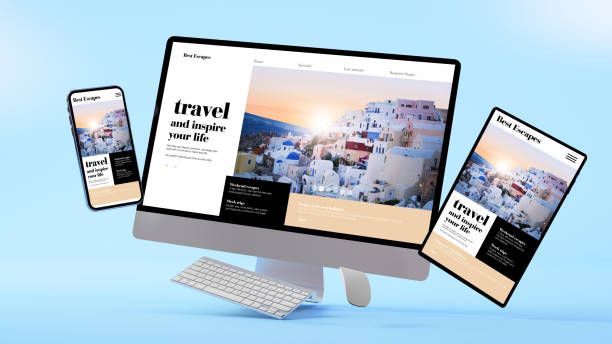
Reasons why your travel website is getting visitors but not bookings
Driving consistent traffic to a travel website or tour agency platform requires substantial effort and marketing budget but converting those initial visits into confirmed, paid reservations presents an entirely different operational challenge. High page views paired with disappointing conversion rates almost always indicate hidden friction, buyer uncertainty or technical breakdowns within the digital booking journey. Because travel purchases represent significant financial and emotional investments, prospective guests spend extensive time researching options, comparing packages and verifying safety before committing their hard-earned money.
If your website fails to inspire immediate confidence or forces users through tedious administrative hurdles, interested visitors will quickly leave to book with more responsive competitors. Below are critical reasons why your travel platform attracts clicks but fails to secure direct bookings, along with how custom software automation can solve them.
Complex or multi-step booking workflows
Requiring travelers to navigate through multiple confusing pages, create mandatory permanent user accounts or fill out excessively long forms causes immediate drop-offs. Modern digital consumers expect an intuitive, friction-free checkout experience that allows them to select dates and confirm details in a few clicks. Implementing a sleek single-page booking widget with minimal required fields eliminates unnecessary drop-off points, keeping visitors focused on locking in their travel plans before losing interest or getting distracted.
Lack of instant automated payment gateways
Forcing international or domestic travelers to submit manual inquiry emails, download paper authorization forms or wait for bank transfer details destroys buying momentum. Today's travelers expect immediate transactional gratification and secure digital checkout options. Integrating direct, automated payment gateways such as seamless M-Pesa STK push for regional trips alongside global card processing platforms like Stripe and Flutterwave enables guests to reserve their spots instantly, converting high intent into immediate revenue.
Learn More: Read Stripe's official documentation on Optimizing Mobile Checkout Workflows to eliminate payment friction.
Hidden fees and unexpected charges at checkout
Nothing triggers shopping cart abandonment faster than surprise costs added on the final payment page. When visitors suddenly discover extra mandatory park entry fees, surprise service charges or unannounced booking commissions, they feel misled and lose trust in the brand. Displaying transparent, itemized pricing structures right from the initial search results page builds immediate credibility and reassures travelers that there are no hidden financial surprises waiting at checkout.
Slow page load speeds and poor mobile optimization
The vast majority of travel research and trip planning occurs on mobile devices while users are on the go. Large, uncompressed destination photos and unoptimized video banners consume user data bundles rapidly and stall page performance on mobile networks. When a page takes more than a few seconds to load, frustrated visitors hit the back button immediately, driving up bounce rates and wasting your advertising spend.
Learn More: Check out Google's web performance guide on Optimizing Image Heavy Websites to accelerate page rendering.
Unclear room, tour or itinerary availability
Displaying generic "Inquire for Availability" buttons instead of real-time booking calendars introduces unnecessary delay into the buyer journey. Today’s travelers do not want to wait 24 to 48 hours for an email reply simply to confirm whether a lodge room or tour date is open. Syncing your website storefront directly with a real-time reservation engine ensures guests see live availability status instantly, encouraging immediate booking decisions.
Absence of user-generated reviews and authentic social proof
Travelers rarely book accommodations, luxury safaris or excursion packages without reviewing authentic feedback from past guests first. If your platform lacks embedded review feeds, verified star ratings or video testimonials, prospective buyers will exit your site to research your reputation on third-party aggregators where they are frequently exposed to competitor listings and alternative offers.
Learn More: Review Yotpo's research on Building Trust Through Automated Review Collection to showcase social proof effectively.
Vague activity itineraries and missing inclusions
High-value travel decisions demand total operational clarity regarding what the buyer is actually purchasing. When a package listing fails to detail essential specifics such as park conservancy fees, meal plans, airport transfers or tour guide languages visitors hesitate to spend their money. Providing detailed, day-by-day itinerary breakdowns with explicit lists of inclusions and exclusions eliminates buyer guesswork and speeds up reservation approvals.
Missing security badges and inadequate privacy compliance
Travelers submitting sensitive personal details, emergency contacts and credit card numbers expect bank-grade security protocols. Operating without an active SSL certificate or failing to display recognized security badges triggers browser warnings that alarm security-conscious shoppers. Furthermore, platforms operating locally must comply with data privacy regulations such as Kenya’s Data Protection Act to reassure international and domestic guests that their personal information is safely handled.
Learn More: Review official ODPC guidance on Data Protection Standards for Online Service Platforms to ensure legal compliance.
No immediate live chat or whatsApp support
Travelers frequently have urgent, pre-booking questions regarding specific dietary accommodations, child policies or custom pickup locations. If they cannot receive instant answers through an embedded WhatsApp widget or automated AI assistant, they will abandon the booking process to look for a more responsive tour provider who offers immediate assistance.
Poor visual storytelling and outdated media assets
Travel is an emotion-driven purchase fueled by visual inspiration and aspirational storytelling. Low-resolution photos, generic stock imagery or outdated room shots fail to generate excitement or justify premium pricing. Presenting high-definition photography, immersive short video walkthroughs and crisp interactive galleries allows prospective guests to visualize their experience vividly, turning passive interest into direct bookings.
Lack of flexible cancellation and refund policies
Uncertainty regarding airline delays, unpredictable weather or shifting personal schedules makes rigid, non-refundable booking terms a major dealbreaker for modern travelers. Clearly displaying flexible cancellation options, easy reschedule windows or partial deposit payment structures mitigates buyer risk, reassuring hesitant shoppers and encouraging them to reserve early.
Weak search, filter and navigation Architecture
If prospective guests struggle to locate specific trip categories such as budget-friendly safaris, luxury beach resorts or single-day excursions they will quickly grow frustrated and abandon the search. Intuitive site navigation, well-organized category tags and fast, responsive search filters allow visitors to pinpoint itineraries tailored to their exact budget and interests without delay.
Failing to retain dropped visitors via abandoned booking flows
When travelers select dates and enter their contact details but abandon the process before finalizing payment, failing to follow up represents direct revenue loss. Automated recovery systems can dispatch gentle email or WhatsApp reminders shortly after drop-off, offering quick assistance or direct single-click links to resume their booking right where they left off.
Learn More: Read Klaviyo's guide on Setting Up Automated Abandoned Checkout Flows to recover lost bookings.
Inconsistent branding across digital channels
If your primary website appears outdated or drastically different from your social media channels, prospective guests begin to question your business legitimacy. Maintaining a cohesive visual identity, consistent brand typography, professional logo usage and matching contact details across all web touchpoints reassures travelers that your business is reputable, established, and trustworthy.
Lack of multi-currency and language support
Serving a global travel market requires supporting international payment choices and displaying pricing transparently in multiple currencies (such as USD, EUR, GBP and KES). Forcing international visitors to manually compute currency exchange rates introduces mental friction that slows down their decision-making process and hurts overall conversion rates.
Ready to convert your website traffic into direct bookings with a fast, automated travel booking platform?
Partner with Qolani Kreatives today to design, build and scale custom software solutions tailored to your travel business!

